
Executive Strategy helps organisations make better strategic decisions by defining clear priorities, strengthening competitive positioning and translating strategic intent into measurable business outcomes. Depending on business needs, this can be delivered through direct executive advisory or facilitated workshops that enable leadership teams to develop their own strategy and planning capability.
Designed for organisations seeking independent executive-level strategic advice to navigate complexity, accelerate decision-making and build the capabilities required for sustainable long-term success.
Two Engagement Models
- Executive Advisory
Work directly with senior management to analyse strategic challenges, develop strategic priorities and produce an actionable strategy that supports sustainable business growth.
Best suited for organisations seeking external strategic expertise, independent advice or accelerated executive decision-making. - Facilitated Strategy Workshops
Guide leadership teams through a structured strategy development process using proven frameworks, facilitation and collaborative decision-making techniques.
Best suited for organisations seeking to strengthen internal strategic capability, develop leadership ownership and build long-term planning independence.
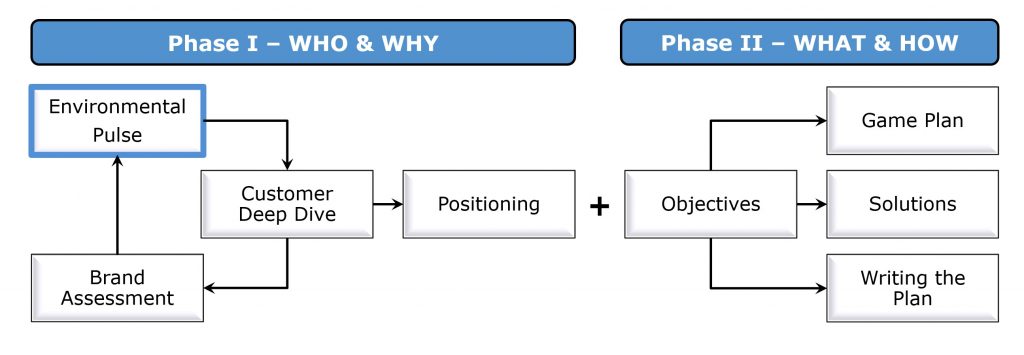
Regardless of the chosen delivery approach, Executive Strategy follows the same structured two-phase methodology to translate strategic insight into measurable business outcomes.
-
- Phase I – Who & Why
Participants analyze external trends and customer needs to uncover what truly drives the market, while assessing internal strengths and weaknesses. This leads to a clear, differentiated positioning that defines where the organization wins—and why it matters.The Result: Shared understanding, sharper focus, and a solid foundation for decision-making.
- Phase I – Who & Why
-
- Phase II – What & How
With the foundation set, teams define strategic objectives and make deliberate choices about where to focus—and where not to—translating strategy into a clear, actionable set of priorities.
The Result: Alignment, clarity, and measurable progress toward business goals.
- Phase II – What & How
Impact for the company:
Teams gain a clear, structured way to turn insight into action—creating sharper positioning, focused priorities, and measurable progress. By concentrating marketing and sales resources on what truly matters, organizations avoid wasted effort, make better use of time and budget, and significantly increase the likelihood of achieving their strategic goals. At the same time, they build a repeatable planning capability that strengthens independence and long-term resilience.
Whether strategy is developed through Executive Advisory or facilitated workshops, organisations gain not only a clear strategic direction but also stronger internal planning capability that supports long-term independence and sustainable business success.