Commercial Strategy helps organisations achieve sustainable growth by aligning market opportunities, customer value propositions, marketing and sales activities with strategic business objectives. Depending on the organisation’s needs, this can be delivered through Executive Advisory or facilitated workshops that strengthen internal commercial capability and strategic decision-making.
Ideal for organisations that:
- seek sustainable revenue growth rather than short-term sales improvements
- want to strengthen market positioning and competitive advantage
- need to align strategy, marketing and sales around shared commercial priorities
- aim to build lasting commercial capability within their organisation
Two Engagement Models
- Executive Advisory
Develop commercial strategies, market positioning, customer strategies and growth initiatives together with senior management.
Best suited for organisations seeking independent commercial expertise, accelerated growth initiatives or external strategic advice. - Facilitated Commercial Strategy Workshops
Guide management teams through collaborative commercial planning using proven frameworks that strengthen internal capability and organisational ownership.
Best suited for organisations seeking to develop internal commercial capability while creating a shared strategic direction.
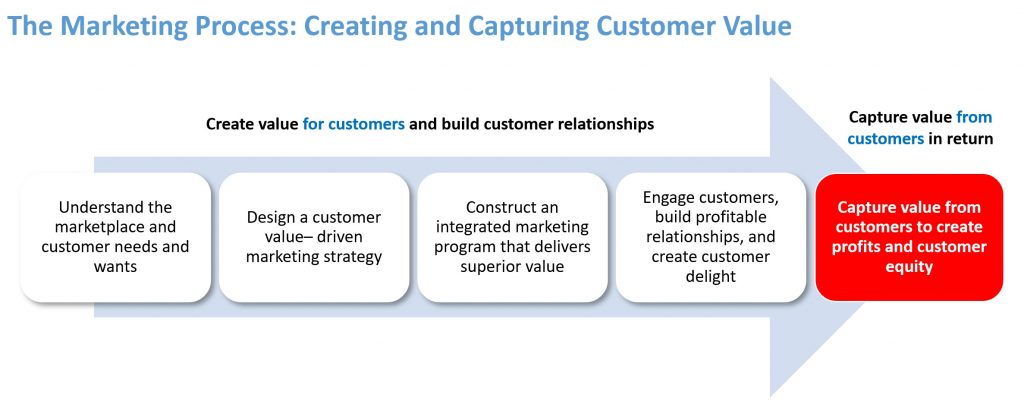
Regardless of the engagement model, Commercial Strategy follows the same structured framework for translating market insight into sustainable commercial growth.
The process unfolds in four connected phases:
-
- Strategic Foundation
Participants begin by analyzing markets and customer behavior, identifying key segments, and shaping clear value propositions. This phase ensures employees understand who the company serves and why customers should choose its offerings.
- Strategic Foundation
-
- Building Strategy with Operations
Next, teams learn how to align customer insights with organizational goals and resources, turning strategy into operational plans that connect marketing priorities with business objectives.
- Building Strategy with Operations
-
- Commercial Strategy Execution
With the foundation set, participants translate strategy into action by designing the marketing mix—product, price, place, and promotion. They explore how to integrate campaigns across channels and ensure consistent, customer-focused messaging.
- Commercial Strategy Execution
-
- Management and Sustainability
Finally, employees learn how to measure results, manage customer relationships, and adapt marketing strategies to changing environments, ensuring both immediate impact and long-term relevance.
- Management and Sustainability
Impact for the company:
Organisations gain a structured commercial strategy that aligns customer value, marketing and sales activities with business objectives. Whether delivered through Executive Advisory or facilitated workshops, the result is stronger commercial capability, greater organisational ownership and a repeatable framework for sustainable business growth.